Why Functional Fashion Is Becoming the New Standard for Modern Style

Fashion has always reflected more than fabric, color, or silhouette. It tells a story about culture, priorities, identity, and even the season of life people find themselves in. For years, many consumers were taught that looking polished often required a certain level of discomfort. Shoes pinched, waistbands pressed, fabrics restricted movement, and underlayers were sometimes chosen more for appearance than for how they felt during a full day of living.
That mindset is changing, and not quietly. Functional fashion is no longer a niche category reserved for athletic wear or casual basics. Let’s explore why it’s becoming the standard that everyone loves.
Comfort is Not a Compromise
Not long ago, comfort and style were often positioned as opposites. A garment could be flattering or comfortable, polished or practical, elegant or easy to wear. Consumers were subtly encouraged to believe they had to choose between looking put together and feeling physically at ease.
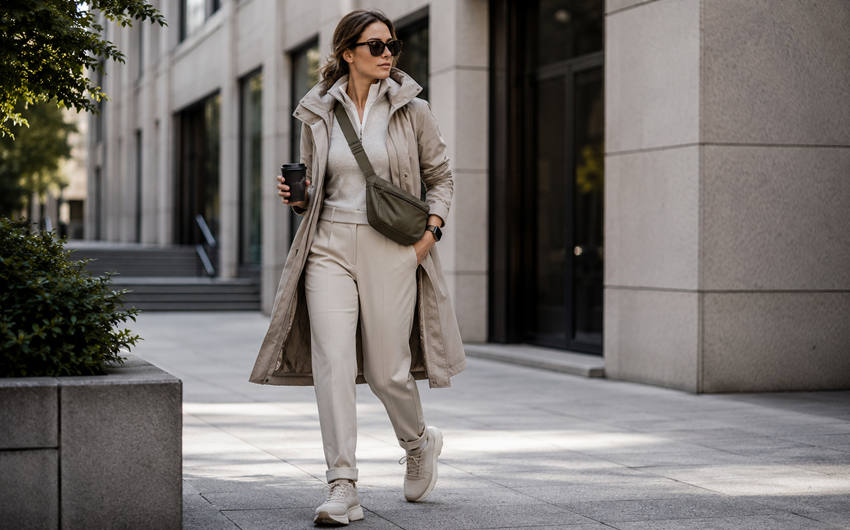
Today, that idea feels increasingly outdated. People are working in hybrid environments, traveling more flexibly, moving between professional and personal responsibilities throughout the day, and expecting their clothing to support that reality. They are sitting in meetings, running errands, picking up children, traveling for business, and attending social events, sometimes all within the same afternoon. Clothing that only works in one context simply feels less useful than it once did.
Everyday Essentials are Being Redesigned With More Intention
One of the clearest signs of this shift can be seen in the way foundational wardrobe pieces are being reimagined. Instead of focusing solely on outerwear, statement pieces, or occasion-based fashion, many brands are paying closer attention to what people wear closest to the body. These pieces may not always be the most visible, but they often determine how someone feels throughout the day.
This includes undergarments, layering pieces, lounge essentials, and foundational garments that support comfort without drawing unnecessary attention. More consumers are seeking thoughtfully designed wireless bras, for example, that offer support, softness, and a clean silhouette without relying on rigid construction or uncomfortable hardware. Brands that focus on simple lines, high-quality materials, and a more understated design approach are finding strong interest among shoppers who value modesty, ease, and versatility.
Personal Style is Becoming More Timeless
Another important change shaping the fashion industry is the move away from age-based style rules. For decades, fashion marketing often implied that certain silhouettes, colors, cuts, or trends belonged to specific life stages. Younger consumers were encouraged to chase novelty, while older consumers were often directed toward overly cautious or predictable choices.
That approach is beginning to lose influence. More people are embracing the idea that style can evolve without becoming restricted. Conversations around ageless dressing, intentional wardrobe building, and dressing with confidence are encouraging consumers to focus less on trends and more on what genuinely reflects who they are. A growing number of style experts are emphasizing fit, proportion, quality fabrics, personal expression, and confidence over arbitrary fashion rules.
Fabric Innovation is Quietly Driving Customer Loyalty
When consumers talk about clothing that “just feels better,” they are often responding to something deeper than appearance. Fabric plays a major role in whether a garment becomes something worn once or something reached for every week.
Breathability, softness, stretch recovery, weight, drape, moisture management, and skin sensitivity are all becoming more important in product design. Consumers may not always use technical language when describing what they want, but they know when something feels right. They notice when a garment moves naturally, maintains its shape, and remains comfortable after hours of wear.
This is one reason brands focused on quality materials often see stronger repeat purchasing behavior. When someone finds a garment that looks polished while also feeling effortless, they tend to remember it. That experience builds trust, and trust often turns into long-term loyalty.
Brands That Solve Real Problems are Building Stronger Businesses
Perhaps the biggest lesson in this shift is that consumers are rewarding brands that solve real, everyday problems. Clothing that pinches, shifts, wrinkles excessively, requires constant adjusting, or only works in limited situations creates friction. Clothing that supports real life creates loyalty.
The most successful apparel brands today are paying close attention to these small moments. They study how people move, travel, work, sit, layer, and transition between environments. They ask what causes discomfort, what creates confidence, and what makes a garment feel easy to wear again and again.
This problem-solving mindset goes beyond fashion. It becomes part of the brand identity. Customers begin to trust that the company understands their daily lives, not just seasonal trends. That trust often becomes one of the strongest competitive advantages in a crowded market.