Essential Safety Checklist for High-Access Home Maintenance

Every autumn, Australian homeowners have a list of chores to tackle. Gutters fill with leaves, chimneys start to show wear, and high gables that looked fine in summer now need attention before winter. While it might be tempting to grab a ladder and get started, taking a few minutes to plan for safety can help prevent serious accidents. This guide provides a practical safety checklist, safer alternatives to ladder use, and clear advice for both DIYers and those hiring professionals.
Why High-Access Maintenance Requires Special Attention
Serious home maintenance injuries in Australia each year happen because of falls from heights, including deaths. Autumn makes these risks worse. Wet leaves make surfaces slippery, morning dew leaves everything damp, and sudden gusts of wind can surprise you.
The Essential Safety Checklist
1. Pre-Project Risk Assessment
Before you start, take a moment to think about the job.
- How high up will you be working?
- Will the job really take just thirty minutes, or is it more likely to take three hours?
- Do you need both hands for the task?
- Will you have to lift tools, paint, or other materials?
- Is the ground flat, stable, and dry?
- What does the weather look like for the next few hours?
If the job is complicated, takes a long time, or needs both hands and materials, a ladder isn’t the right option.
2. Autumn Refresh: Seasonal Hazards to Consider
Doing autumn maintenance prevents winter damage. Wet leaves clog gutters and add weight to brackets. Moss on roof tiles becomes slippery when wet. Changing temperatures can crack chimney mortar, allowing water in. Gables need paint or sealant before heavy rain. Fascia boards and soffits can conceal rot, which is often noticed too late to avoid problems.
3. Gutter Cleaning Safety
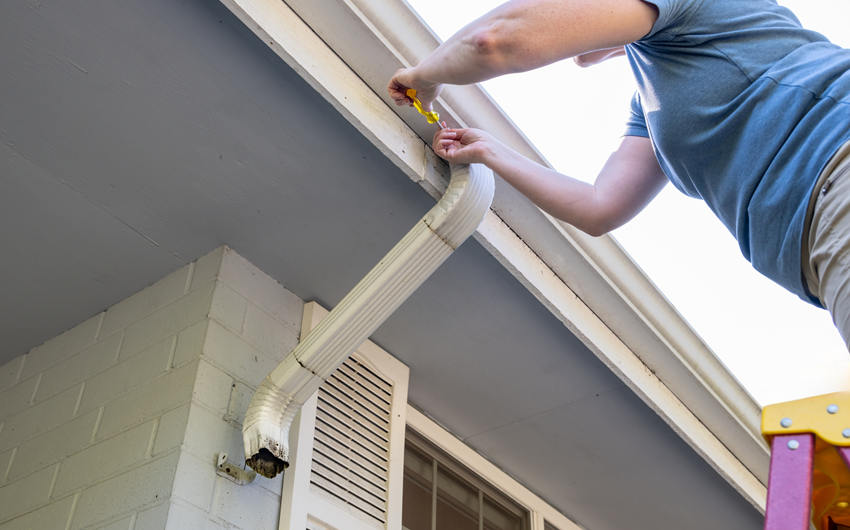
Gutter cleaning might seem simple from the ground, but it can be risky up close. Ladders can slip on soft soil or uneven paving, especially after it rains. Many falls happen when people reach too far instead of climbing down to move the ladder.
For jobs that mean moving along the roofline, a stable walk-up platform or scaffold tower is much safer and gives you better balance and control.
4. Repointing Chimneys and High Brickwork
Repointing a chimney is detailed work that requires both hands, careful mortar application, and long periods spent working high up with tools and materials nearby. This is not a job for a ladder.
You need a stable footing, guardrails for safety, and a flat surface to store materials so that nothing falls onto people or property below.
5. Painting Hard-to-Reach Gables
Painting high gables tests your balance more than you might expect. Holding brushes, managing paint containers, and reaching into corners while standing on a ladder is tiring. When your arms and legs get tired, the risk of falling goes up, and rushing can leave you with uneven or streaky paint.
A proper work platform gives you space to move, keeps both feet steady, and lets you focus on getting a smooth, even, professional-looking finish.
The Ladder Liability Argument
Ladders are useful, but they have limits that are easy to miss. They are best for quick jobs, one-handed tasks with few tools, stable ground, and when you do not need to reach far.
For bigger jobs, tasks that need two hands, lifting heavy materials, or lots of moving around, ladders are not safe. The risks are even higher if you hire contractors.
The Better Alternative: Walk-Up Platforms & Scaffold Towers
Professional access platforms make working up high much safer and easier. Guardrails help prevent falls, toeboards stop tools from falling, and wide decks give you space to move and store materials safely.
You will feel less tired because you can keep both feet on the platform. The work goes faster, and the results look better. Opting for scaffolding hire over balancing on a ladder for a weekend offers improved safety and better outcomes.
Insurance & Hiring Considerations
When you hire contractors, you take on extra responsibilities as a homeowner. Always check that any tradesperson has up-to-date insurance and the right licences before they start work. Ask what equipment they will use and how they plan to manage the risks of working at height.
Be careful with very low quotes, as these could mean safety corners are being cut. For longer or more complicated jobs, ask for a written safety plan that explains the equipment, safety steps, and who is responsible for each part.
Winter weather arrives quickly in Australia, and the best-prepared homes for the season are those properly maintained during autumn. Taking a systematic, well-planned approach to high-access maintenance protects both the property and the workers.
Small investments in the right equipment and thorough risk assessments help prevent much more serious issues later on. Think long-term when planning maintenance tasks. Focus on prevention rather than reaction. Most importantly, prioritise stability over shortcuts every time work involves getting off the ground.