The Essential Details: How Small Things Make Big Impacts in Home Design

When people talk about home design, the focus is usually on the big stuff like extensions or new kitchens. But more often than not, it’s the smaller decisions that shape how a home actually feels to live in.
The truth is, small changes can either elevate a space beautifully or throw everything slightly off balance. From the colour of your window trimmings to the way your garden frames the front of your home, small details work together to create an impression.
Here are some of the simplest design choices that can make a surprisingly big impact.
The power of colour
Colour is one of the easiest ways to refresh a home, but it’s also one of the easiest ways to mess up your space. A bold front door can look stunning in the right context, yet completely out of place if it clashes with surrounding tones or architectural styles.
Windows and doors are another area where colour matters more than people expect. Crisp white trimmings suit many homes, but the wrong shade that looks too stark or too grey can make an area feel tired or mismatched. The same applies inside, where skirting boards and ceiling cornices should support the space.
Design experts often point out that small changes lead to big impacts when it comes to a home’s visual appeal, especially in otherwise simple interiors.
Small garden projects
You don’t need a full landscaping overhaul to transform your outdoor space. In fact, some of the most effective garden updates are modest and affordable.
Things like defining garden edges or adding a simple foot path can instantly make a front yard look more appealing and feel more intentional. Even swapping out overgrown plants for lower-maintenance natives can improve street appeal while reducing ongoing upkeep, which is often a big win for busy households.
Lighting plays a similar role when upgrading courtyards and back gardens. Soft, warm outdoor lighting can turn an unused space into a welcoming extension of the home, especially during long summer evenings.
Functional additions that still need to look good
Practical upgrades often get treated as purely functional decisions, but they still affect the overall aesthetic of your home. Carports are a perfect example. A well-designed carport that complements the house can add value and convenience. A bulky or poorly placed one can dominate the space and detract from the architecture entirely.
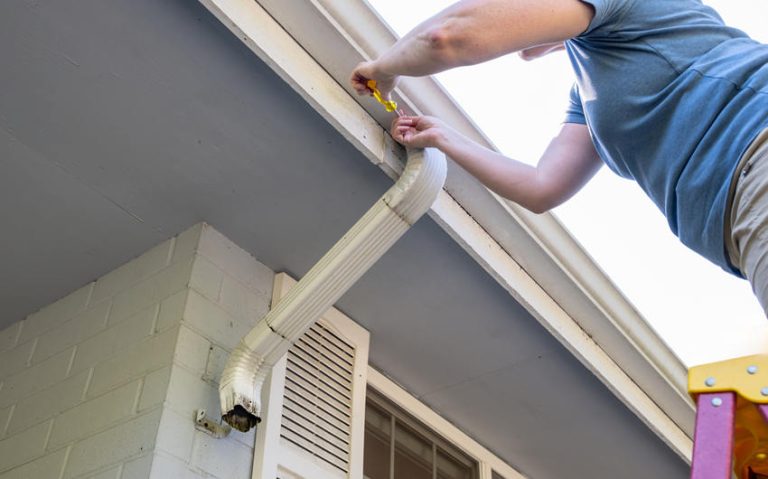
The same applies to security and ventilation features. Adding custom fly screens can be the difference between breezy summer nights and a bug-filled nightmare. Making sure you choose the right style for the look you’re trying to achieve can make or break this decision. Providers like EZ Windows offer custom fly screens designed to suit different window styles, helping homeowners balance airflow, protection, and visual appeal without compromising the home’s character.
The jewellery of the home
Handles, taps, and fixtures are often referred to as the jewellery of a home, and for good reason. These small elements are touched every day, so they need to feel good as well as maintain visual appeal.
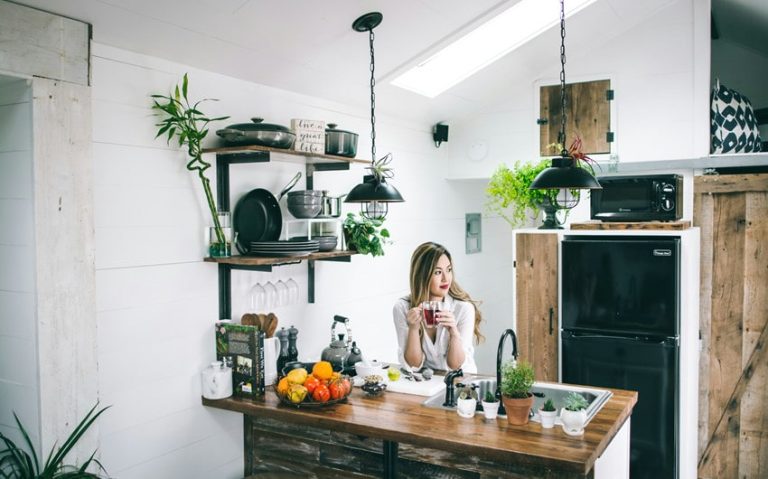
Switching outdated cabinet handles for something more contemporary can instantly modernise a kitchen or bathroom. The key is consistency. Mixing too many finishes or styles can make a space feel cluttered, while a cohesive approach helps everything flow naturally.
When considering these upgrades, however, it is important to think about the type of materials to use. For example, if you’re looking to upgrade handles or fittings in your bathroom, it would be wise to choose a finish that does not spoil or rust from being exposed to moisture.
With that said, home improvements don’t have to break the bank. These affordable home designs are some of the easiest ways to refresh a space without committing to major renovations.
Less really is more
One of the most overlooked small changes is knowing when to remove something rather than add it. Oftentimes, less is more when it comes to home improvements. Heavy curtains blocking natural light, oversized furniture in compact rooms, or too many decorative items competing for attention can all weigh a space down.
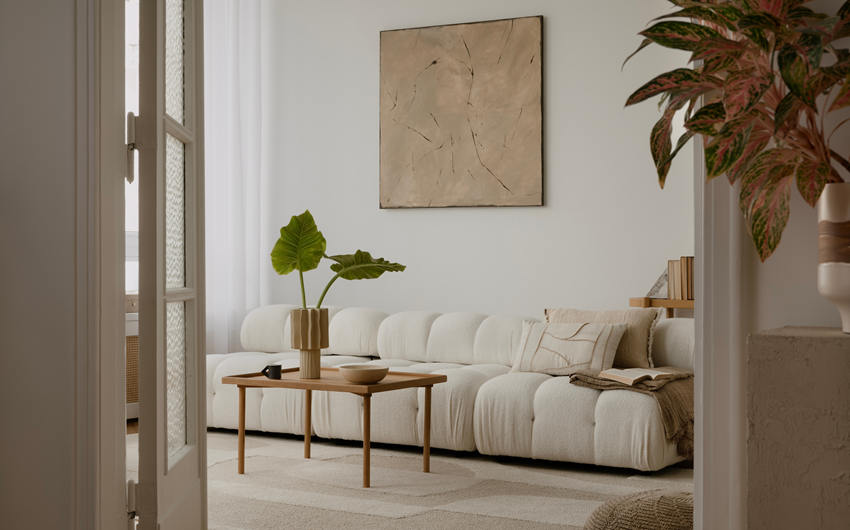
Enhancing a room by simplifying colour palettes, clearing visual clutter, and allowing architectural features to shine results in a calmer, more put-together look and feel of a home. Great home design isn’t just about grand gestures. It’s about layering thoughtful decisions over time and paying attention to how each small choice contributes to the bigger picture.
When details from garden edges to window finishes work together, a home feels considered, comfortable, and genuinely inviting. When they don’t, even the most expensive upgrades can fall flat. Sometimes, it’s the smallest changes that make the biggest difference.